


 Performance Series LED
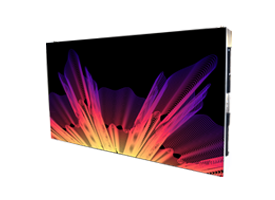 VX Series Radiance LED
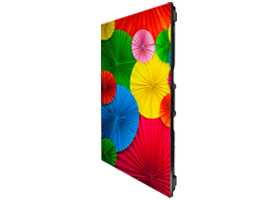 RCS Series Radiance LED
 Outdoor Series Radiance LED
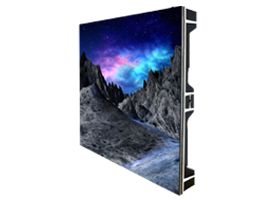 Studio Series Radiance LED
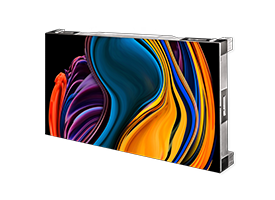 EV Series Radiance Micro LED
 LED Resources


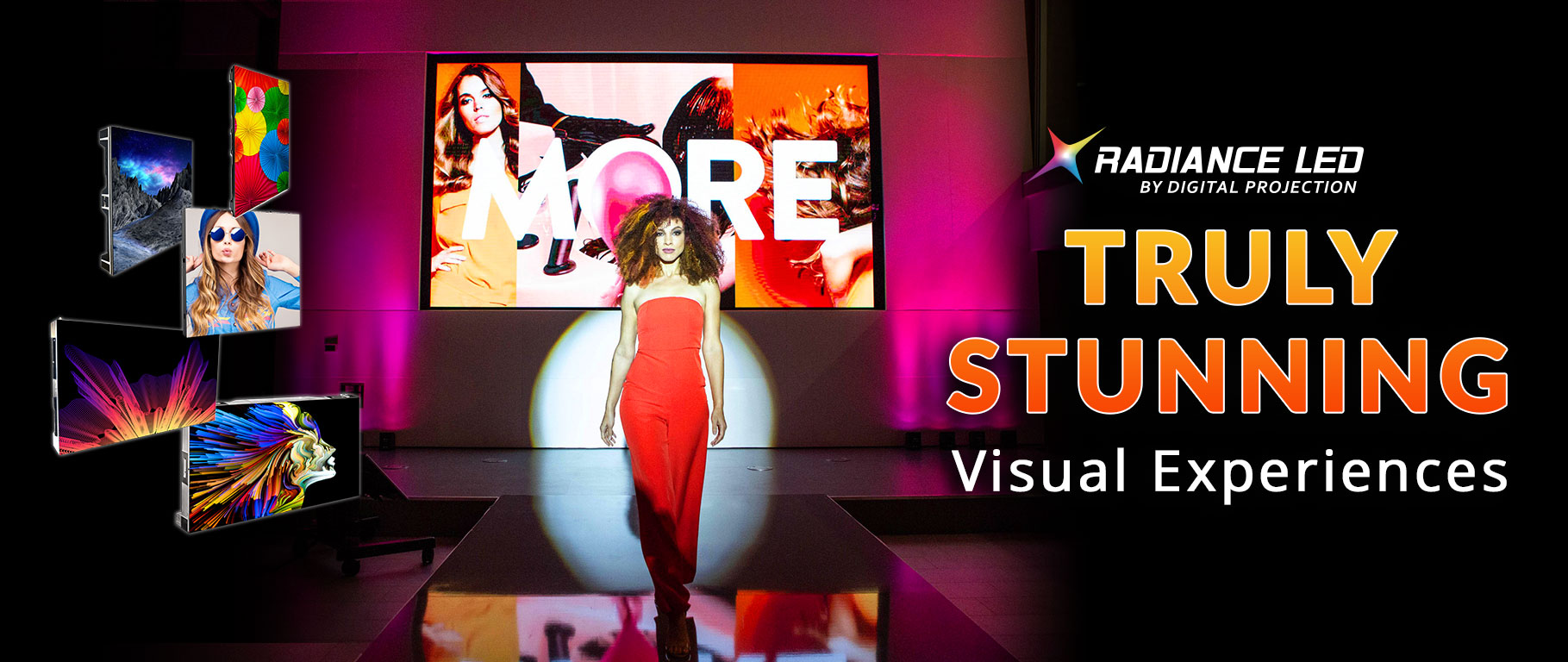


Radiance LED Walls
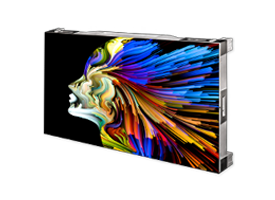
Engineered to create bright and vivid imagery in venues with close and/or long viewing distances, Radiance LED delivers stunning color saturation & contrast in both indoor and outdoor environments, suited for virtually all ambient light conditions. With native 16:9 and square aspect ratios, the individual Radiance LED panels provide seamless building blocks for creating custom resolutions in various shapes & sizes. To suit a wide array of applications, Radiance LED is available in a multitude of pixel-pitch configurations. Featuring a thin installation profile, wide viewing angles and silent operation due to its fan-less panel design, Radiance LED video walls provide dynamic display solutions for nearly every environment.
View all LED walls

High-Performance Projectors
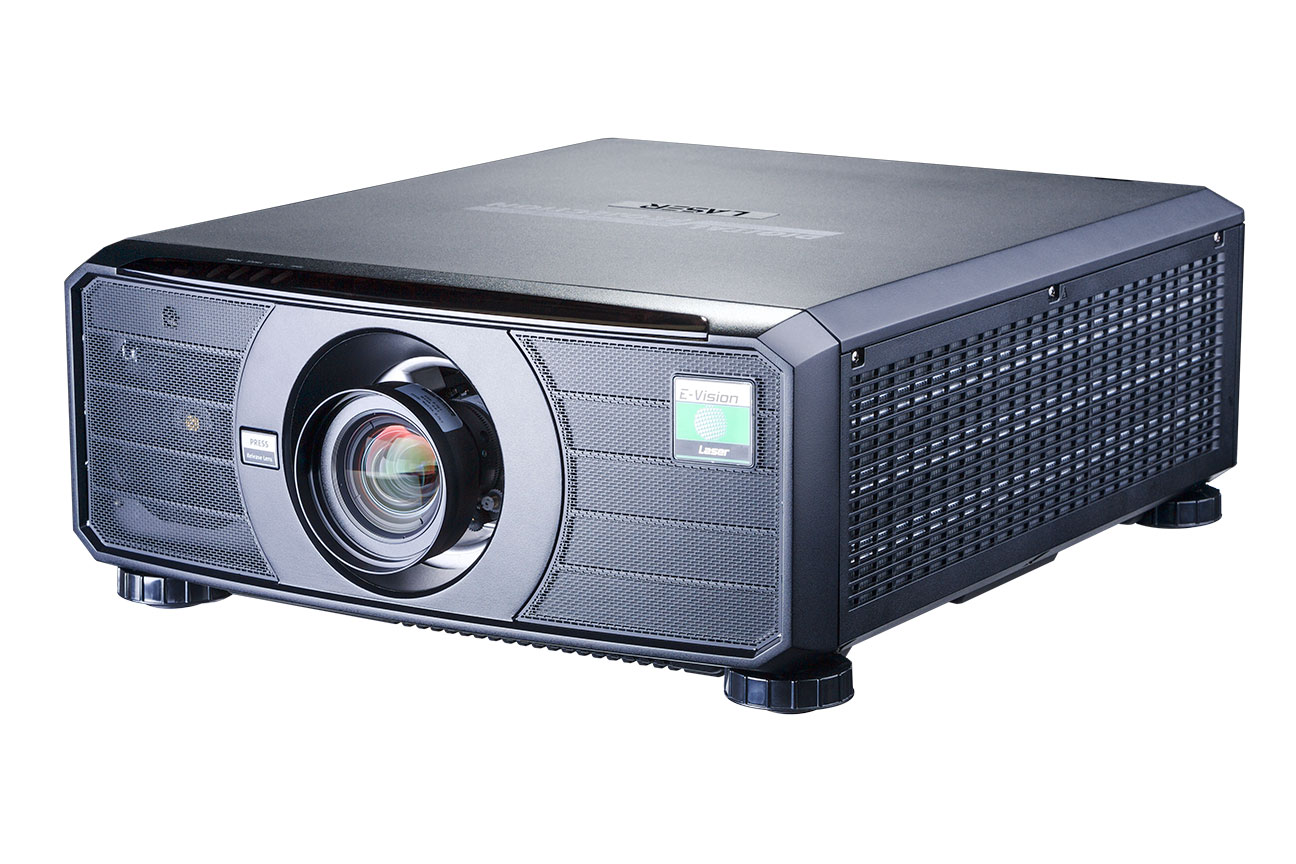
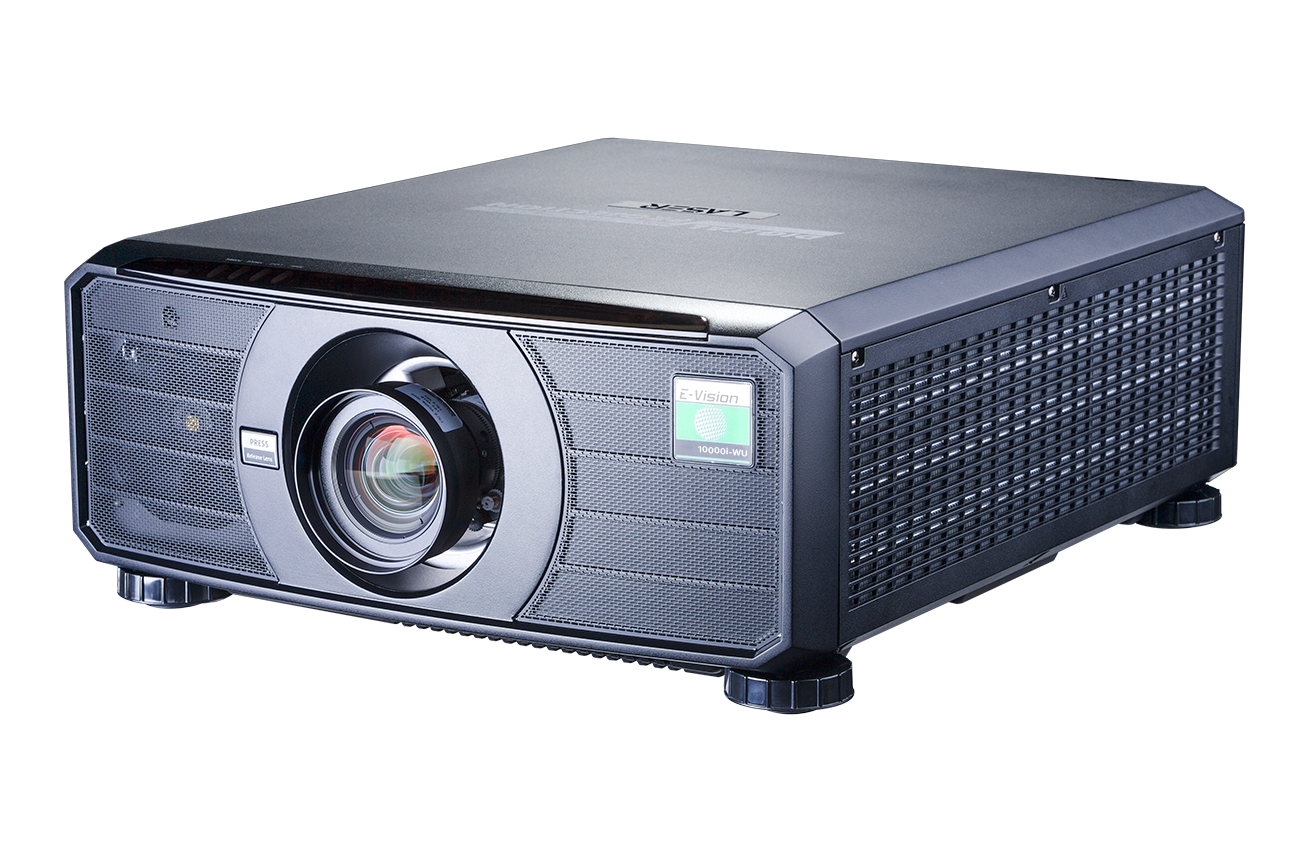
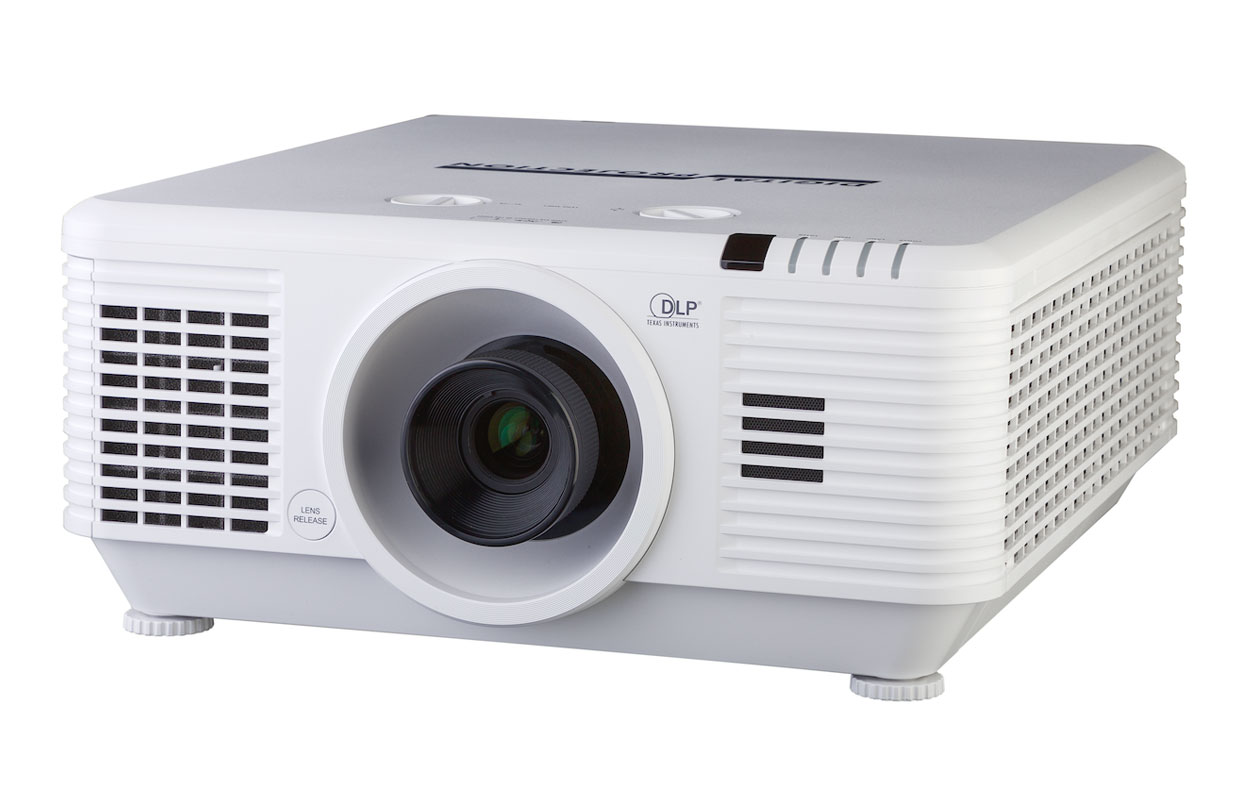
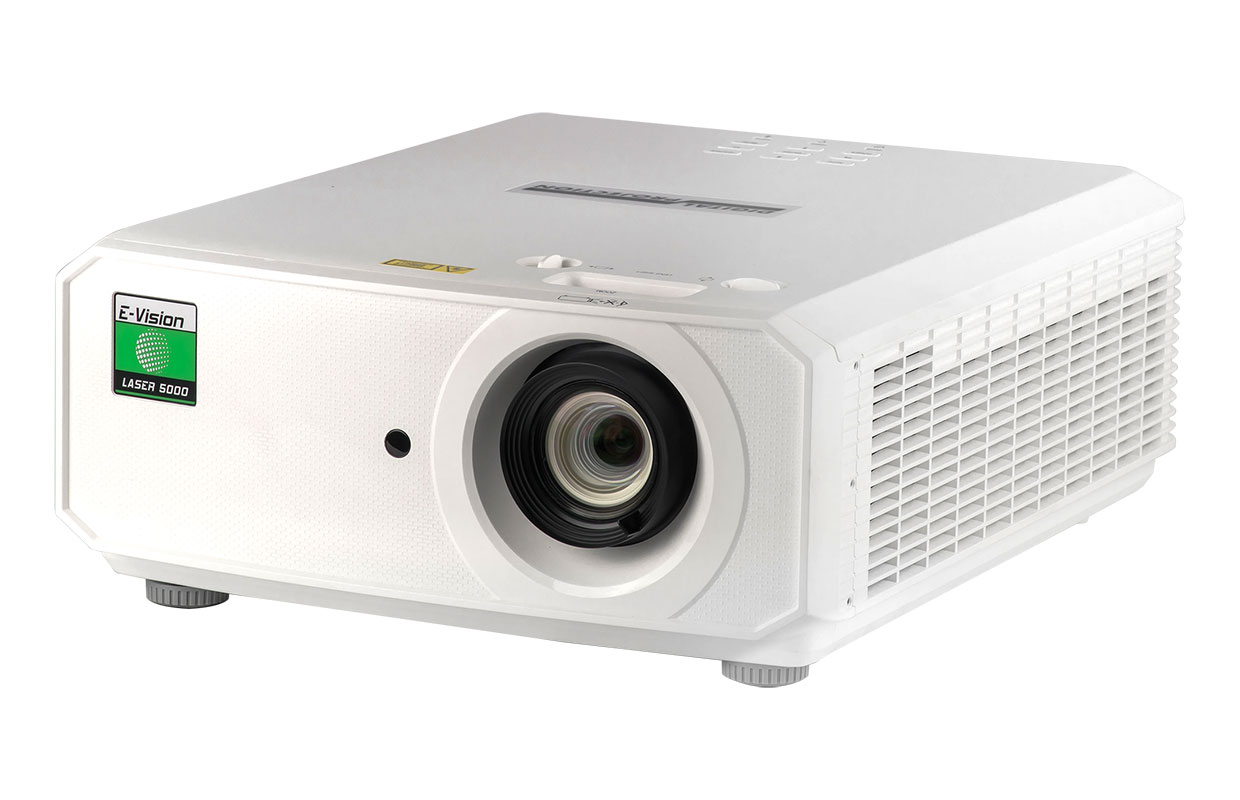
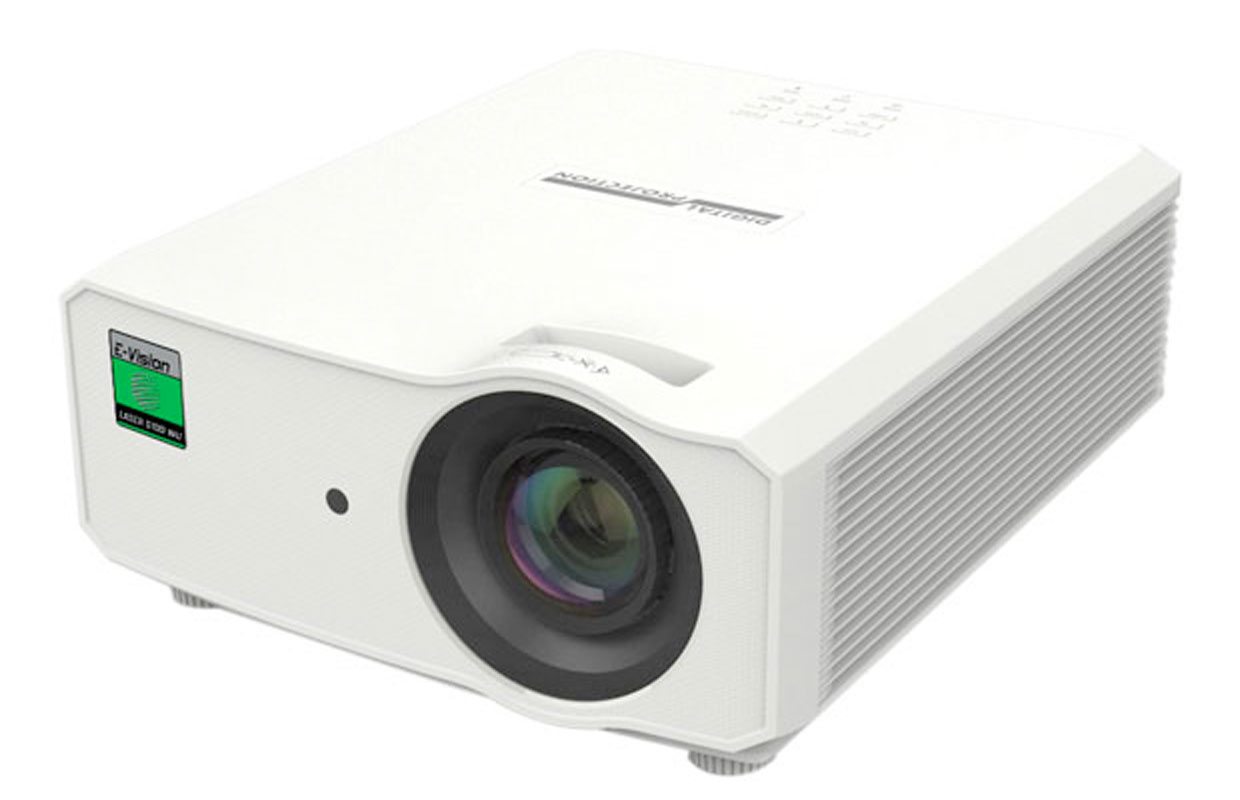
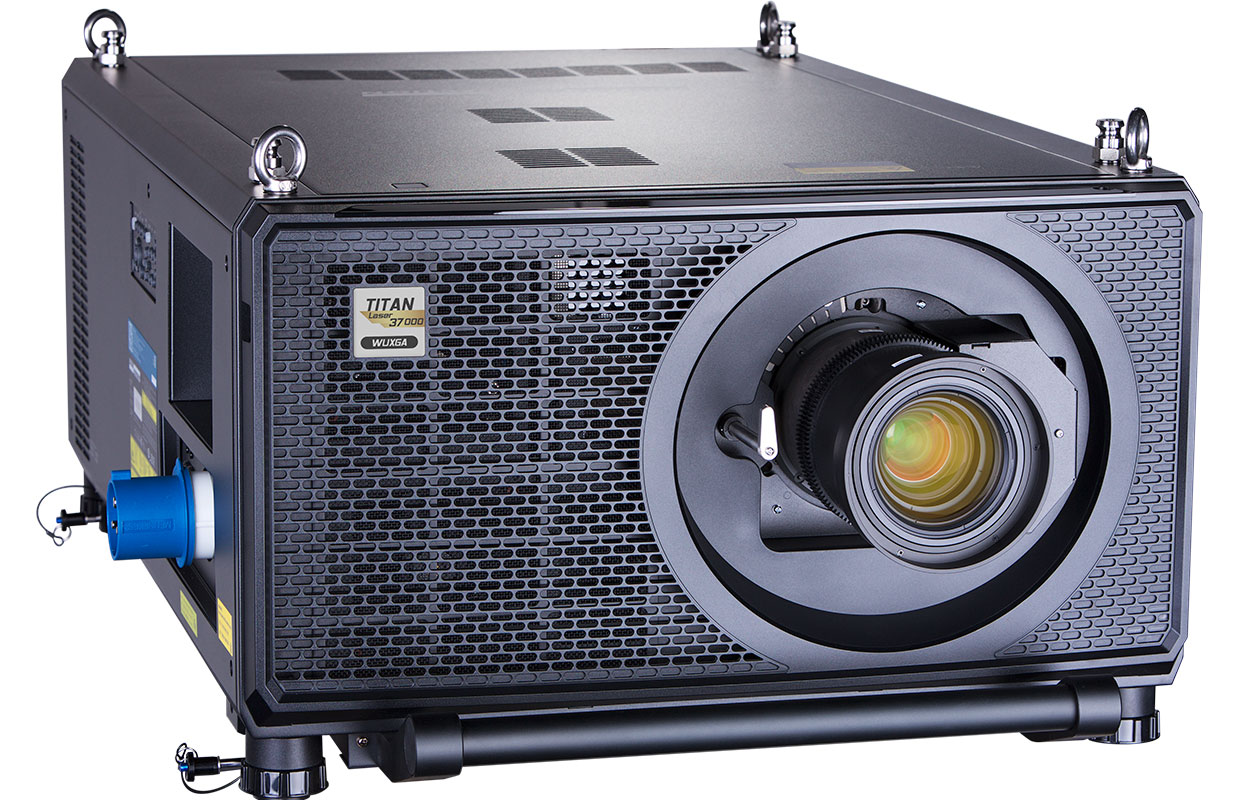
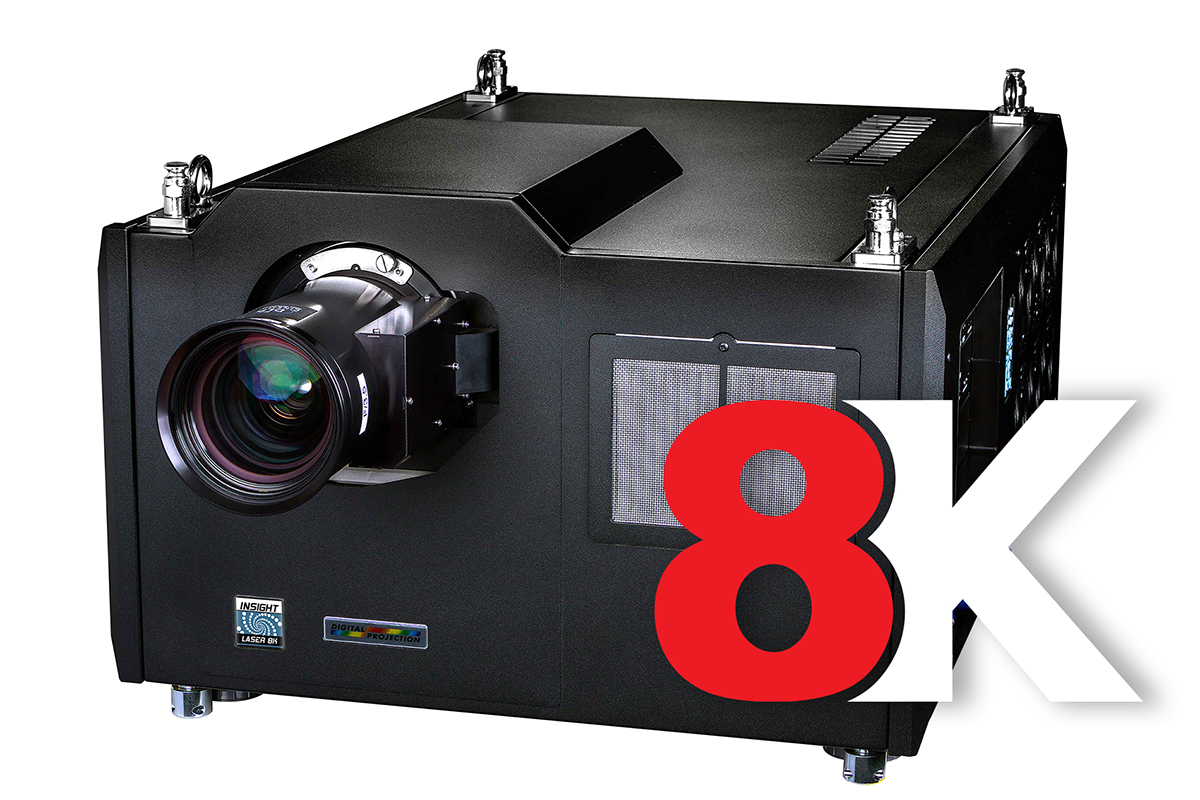
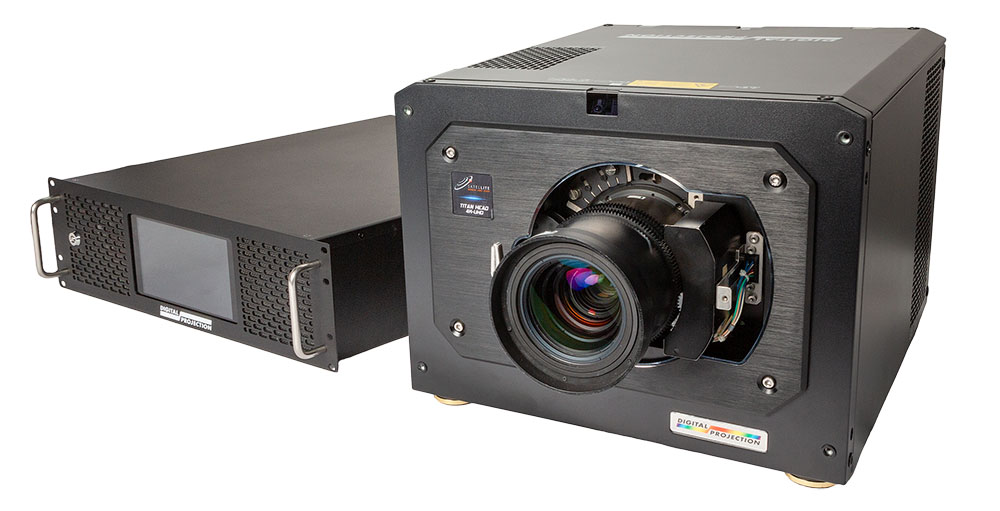
Digital Projection offers a comprehensive line of high-performance, laser illuminated Single-Chip and 3-Chip DLP Projectors. Industry-leading technology and innovative design is engineered into each model to ensure our customers get the most out of their display spaces. With 4K-UHD and WUXGA resolutions, brightness up to 37,000 lumens, and astounding contrast ratios up to 500,000:1, Digital Projection’s projector solutions provide a variety of options, perfectly suited for everyday environments such as corporate boardrooms, educational institutions, houses of worship, and residential entertainment.
View all projectorsCreating outstanding visual experiences for markets across the globe
Digital Projection International was founded with one key objective: to innovate the projection technology challenge, we have worked closely with our customers to assure our products create the most stunning imagery possible within every application.
Pro AV
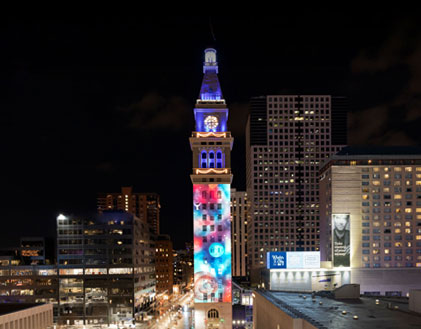
From corporate boardrooms to outdoor architectural mapping, Digital Projection’s high-performance Projector and LED Video Wall lines deliver unparalleled solutions for any commercial imaging need, of any scale, in almost any environment.
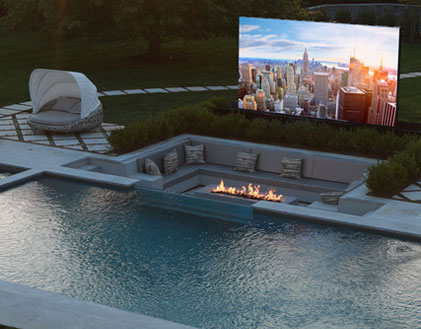
Residential
From the ultra-compact and lightweight E-Vision series to our stunning fine pitch Radiance LED displays, Digital Projection’s solutions for elite residential entertainment feature the superior brightness, astonishing color depth, and high-contrast imaging necessary to satisfy the exacting standards of the entertainment industry.
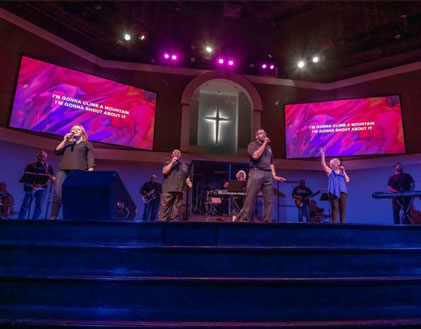
Houses of Worship
From community churches to the largest stadiums, Digital Projection’s high-quality Projector and LED Video Wall lines delivers unparalleled visual solutions for worship spaces.
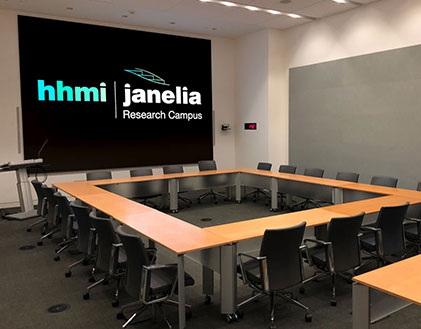
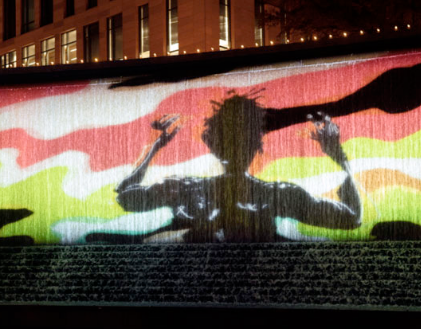
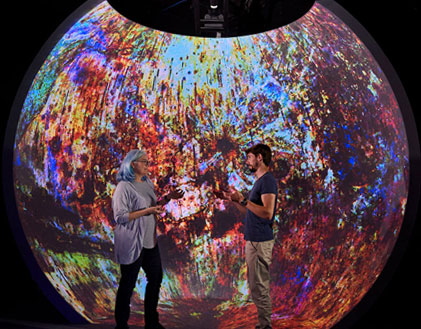
Simulation/Visualization
Digital Projection provides projectors to meet any simulation and training need in any environment.
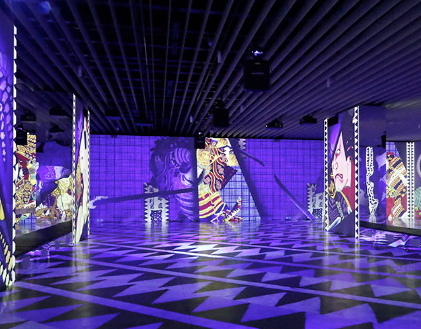
True commitment to customers from start to finish
Digital Projection is committed to display innovation, and to the application pioneers pushing the boundaries
of extraordinary visual experiences.
– The Digital Projection Promise
About us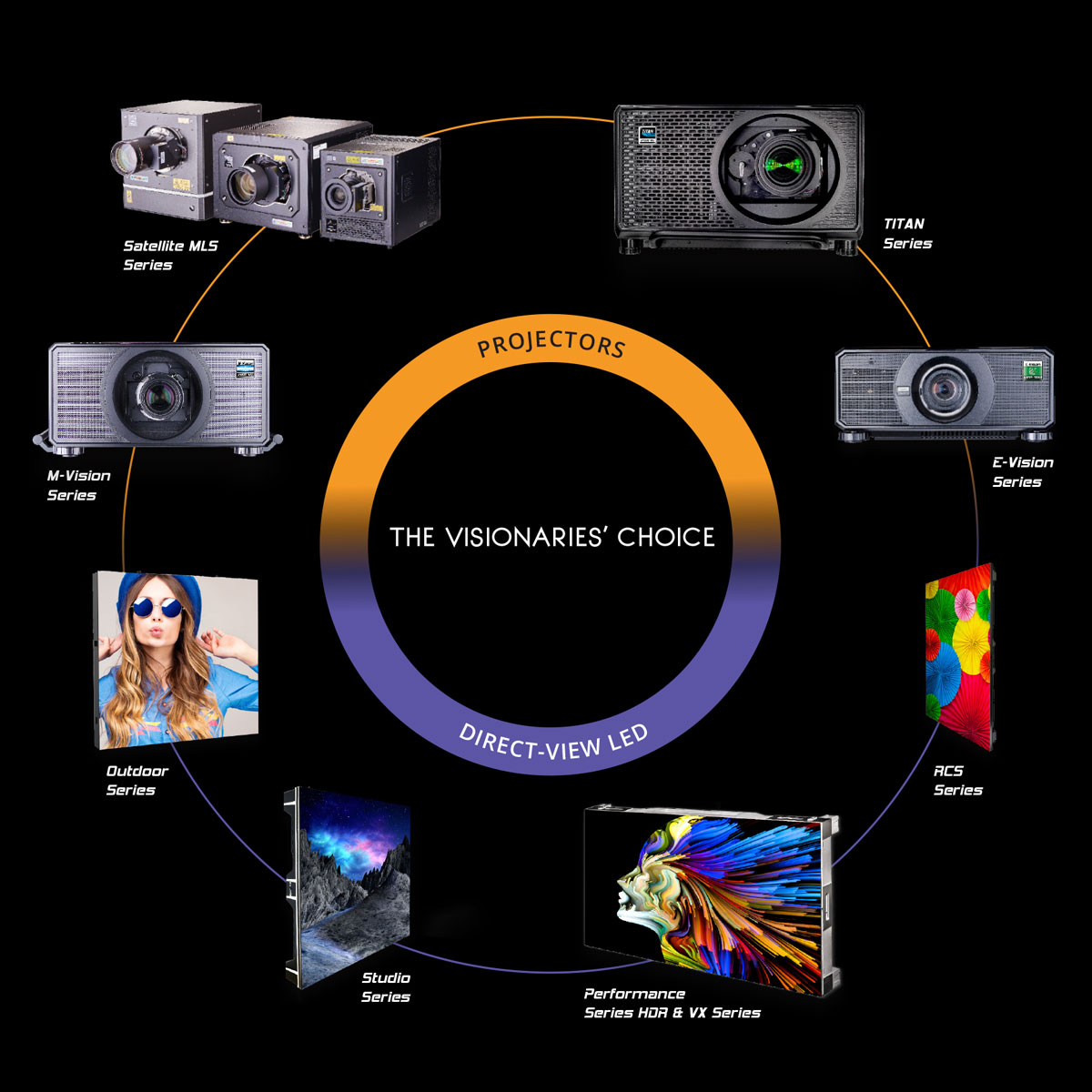
Recent Case Studies
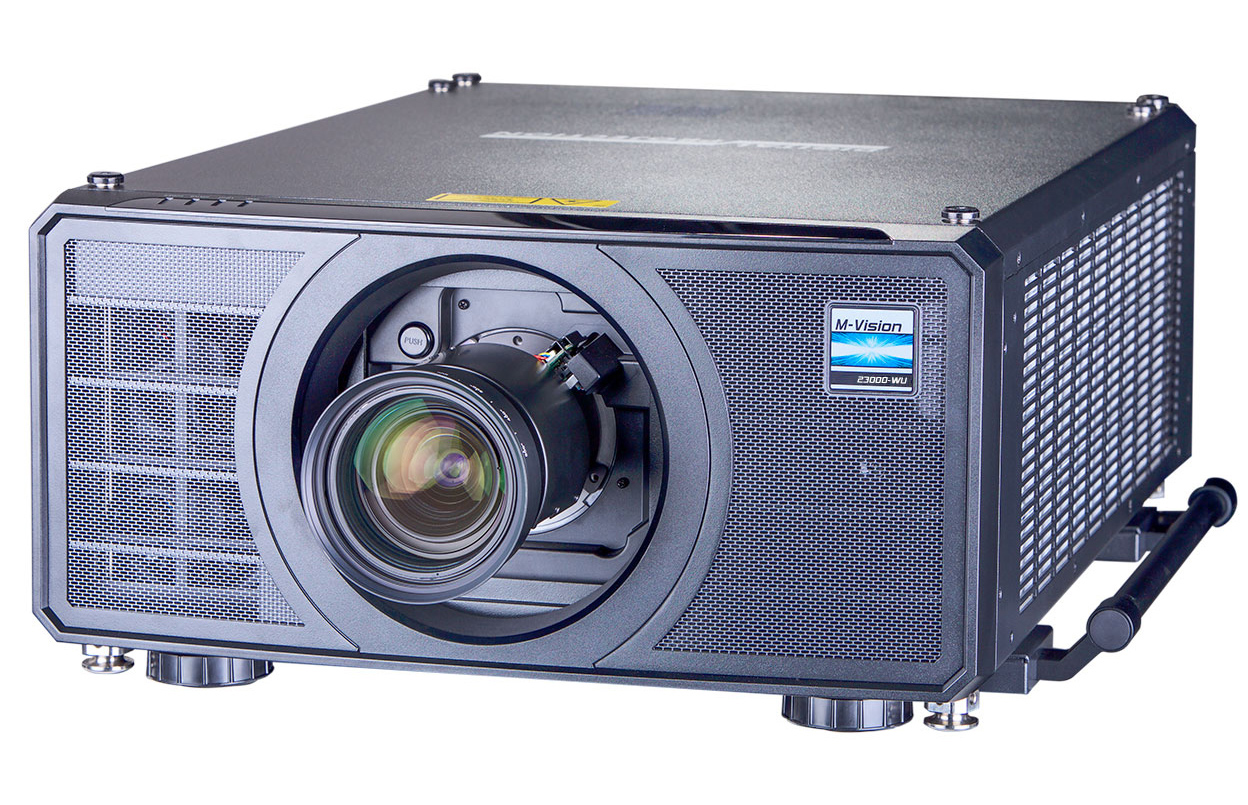
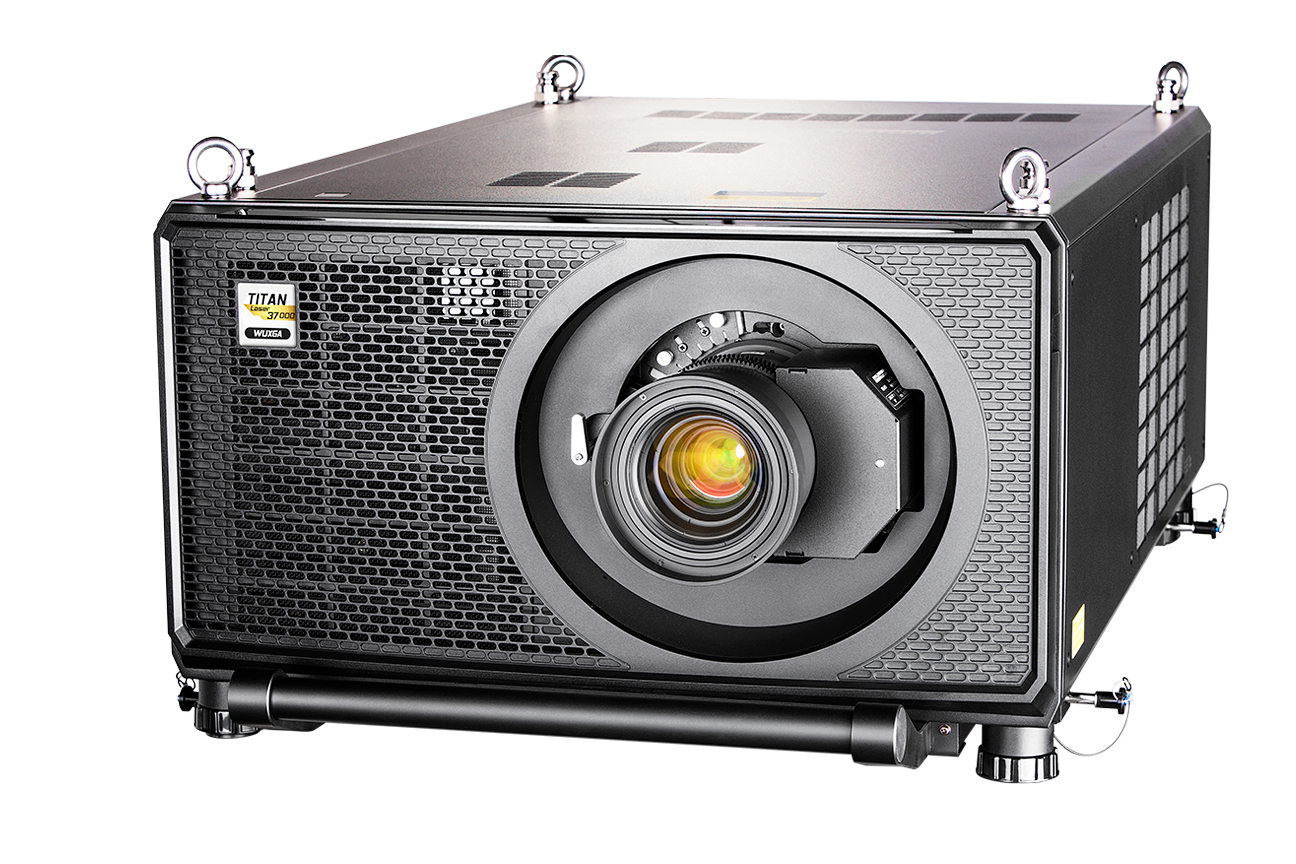
Nearly 60 Digital Projection laser projectors, including 46 TITAN Laser 37000 WU and 13 M-Vision 23000 WU, were behind the most dazzling displays at the recent Sharjah Light Festival in the Emirate of Sharjah, UAE.
The 12-day festival, now in its 13th year, showcases the history, heritage and architecture of the eponymous emirate with a mesmerising carnival of lights, colours and music.
Digital Projection’s paradigm-shifting Satellite Modular Laser System (MLS) is taking a starring role in Le Mime et L’Étoile – a new theatrical spectacle that uses cutting-edge AV technology to transport audiences back to the Belle Époque at the famed French theme park Puy du Fou. The show already scooped a number of international accolades including Most Creative Theatrical Production at the IAAPA Honors 2024 and Best New Show at the 2023 Golden Ticket Awards.
Testimonials

Johnnie Barlow, Video Production Manager – Grace Polaris Church

“The Radiance LED wall brought our vision to life with image quality exceeding our highest expectations. We were extremely impressed and grateful with the level of dedication and meticulousness that the DPI team showed.”
Lorraine Herger, Former Director of Research Integrated Solutions – IBM
“The quality and reliability of Digital Projection’s products that we’ve used in the past has given us – and our customers – a great deal of peace of mind. If I attach my name to it, I’m only going to specify trustworthy brands like DP.”
Jason Lyell, President and CEO – Lyell Group
Featured News
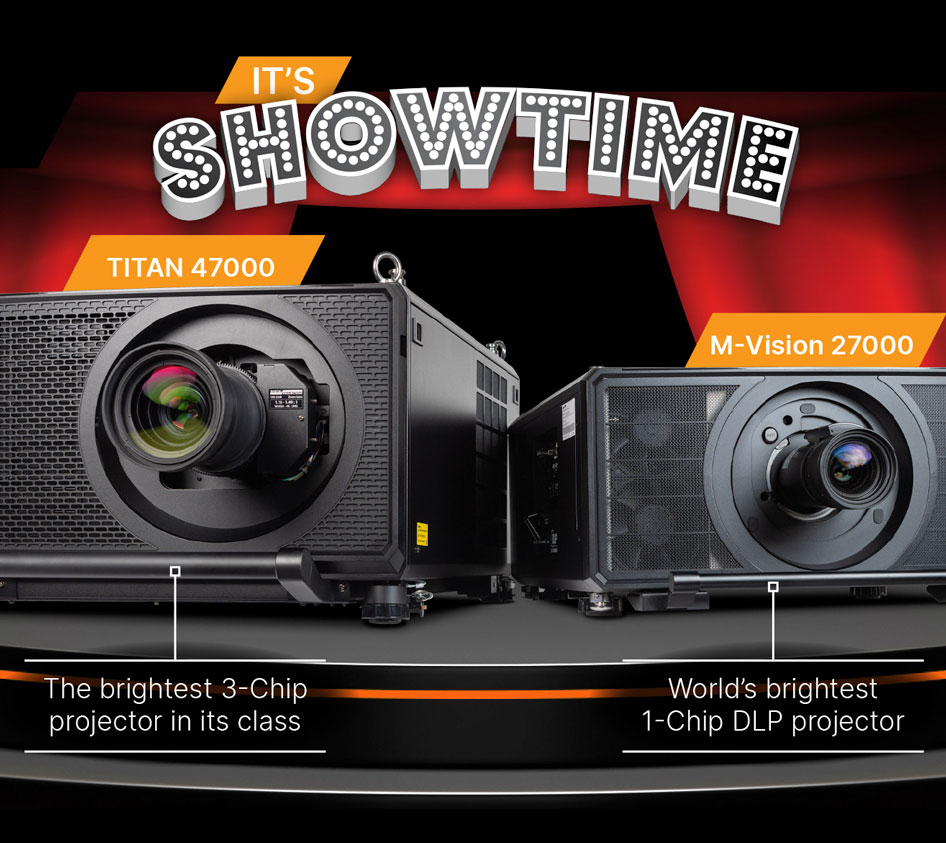
BARCELONA, SPAIN January, 2024 – At ISE 2024, Digital Projection, a Brand of Delta, is pushing the imaging boundaries with the introduction of one of its most advanced laser projectors to date.
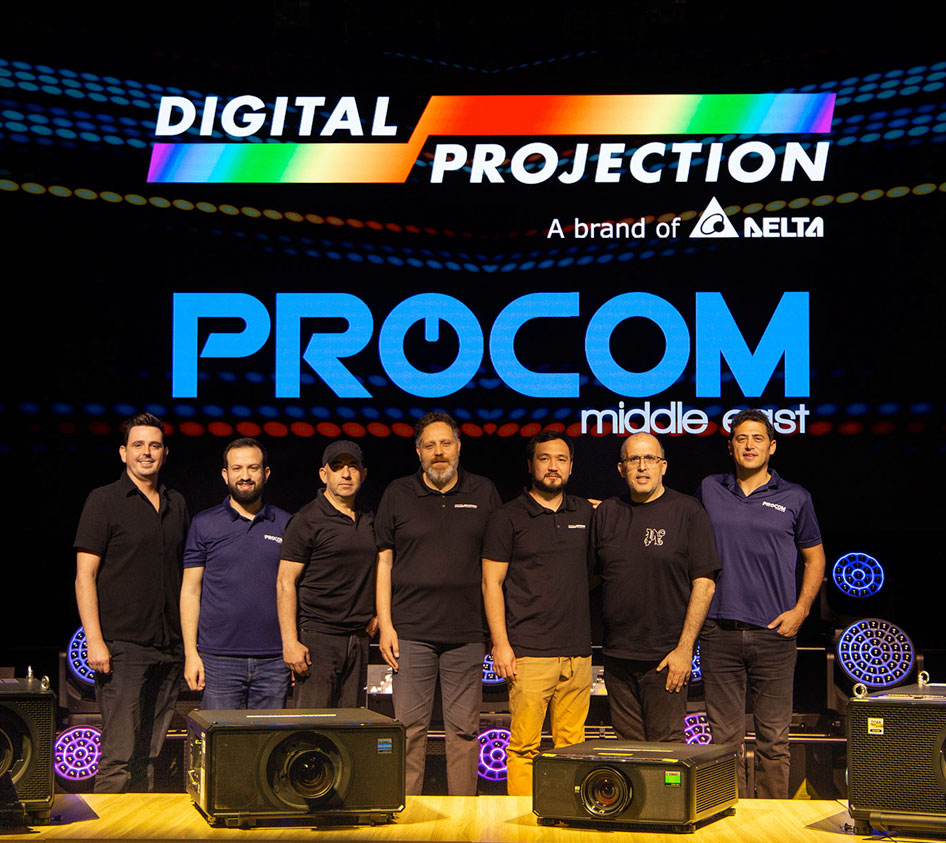
Manchester (UK), 23rd April 2024 – Digital Projection and Procom Middle East have entered into a distribution agreement for the Middle East region. Procom will take responsibility for the marketing, sales, technical support and development for the Digital Projection product catalogue in the GCC. Digital Projection, a pioneering video projector manufacturer, designs and manufactures award-winning 3-chip and single-chip […]
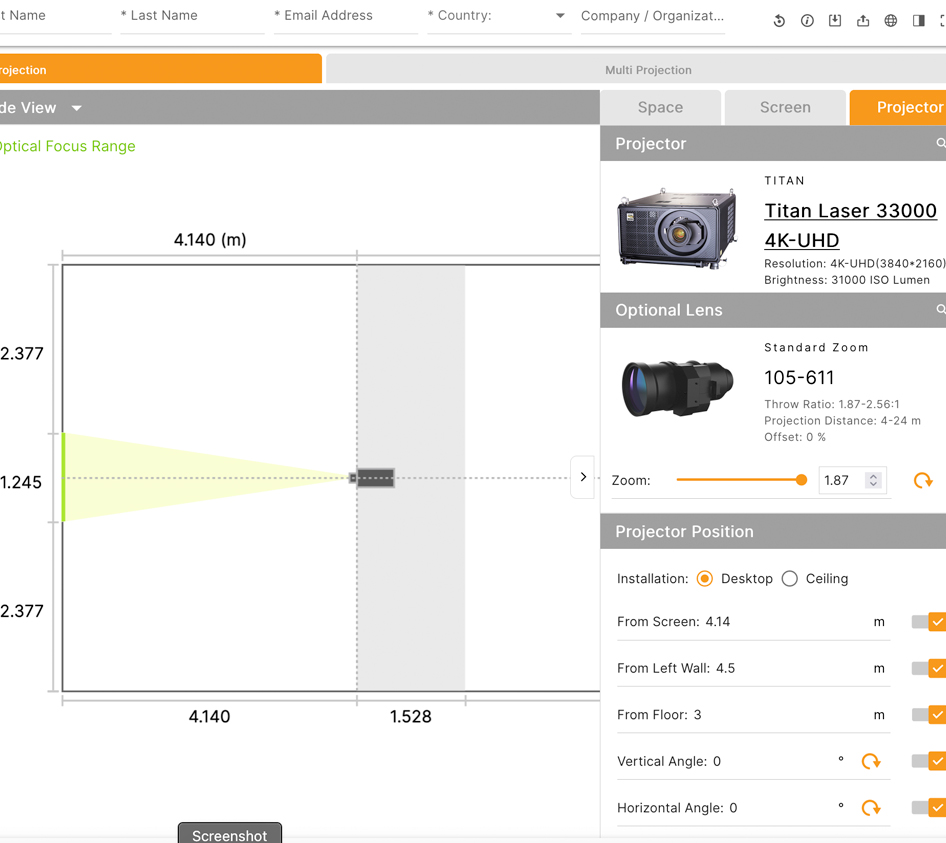
Manchester (UK), 9th November 2023 – Digital Projection has released Projection Simulator, a free web-based application which helps users choose a suitable projector for their fixed installation, rental staging and video mapping needs.








 Send a message
